SPECIAL EXHIBITION TO MARK THE 75TH ANNIVERSARY OF THE BACH ARCHIVE
21 MARCH TO 23 NOVEMBER 2025, extended until 28 June 2026
How do we know when Bach composed his works? How are lost or unknown pieces discovered? And how did Bach scholars from East and West Germany collaborate during the Cold War?
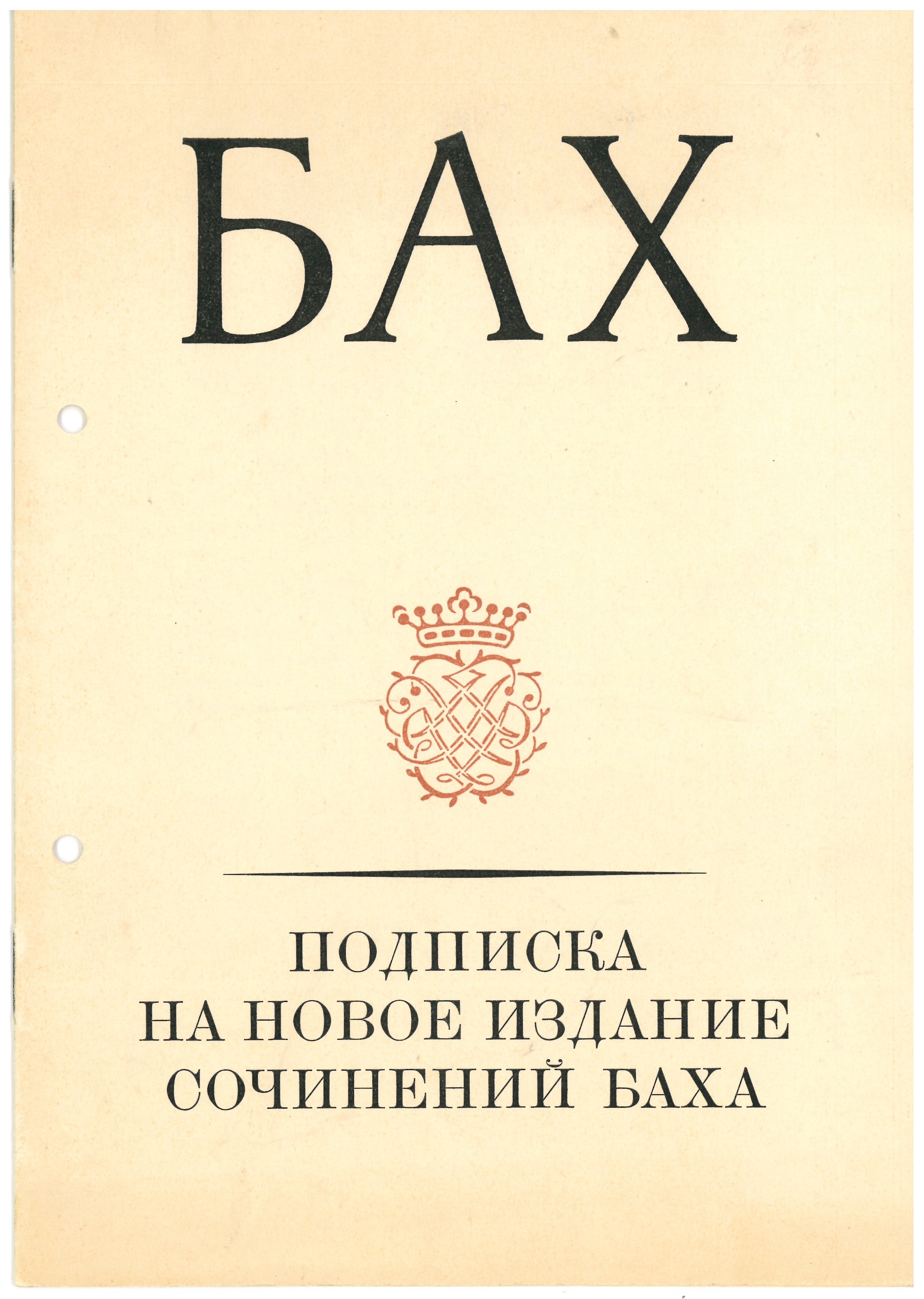
For 75 years, the Bach Archive in Leipzig has systematically collected and studied the works of Johann Sebastian Bach and his family. To mark this significant anniversary, the exhibition offers visitors a captivating insight into the world of Bach research: from the remarkable success story of the New Bach Edition – jointly produced by the Bach Archive in Leipzig (East Germany) and the Johann Sebastian Bach Institute in Göttingen (West Germany) – to groundbreaking techniques in paper and copyist analysis, and the use of artificial intelligence in current studies.
Highlights include precious music manuscripts by Johann Sebastian Bach and his sons, along with an original punched card system used to identify copyists. A range of audio samples, interactive features and media stations invite visitors to explore and experiment for themselves.
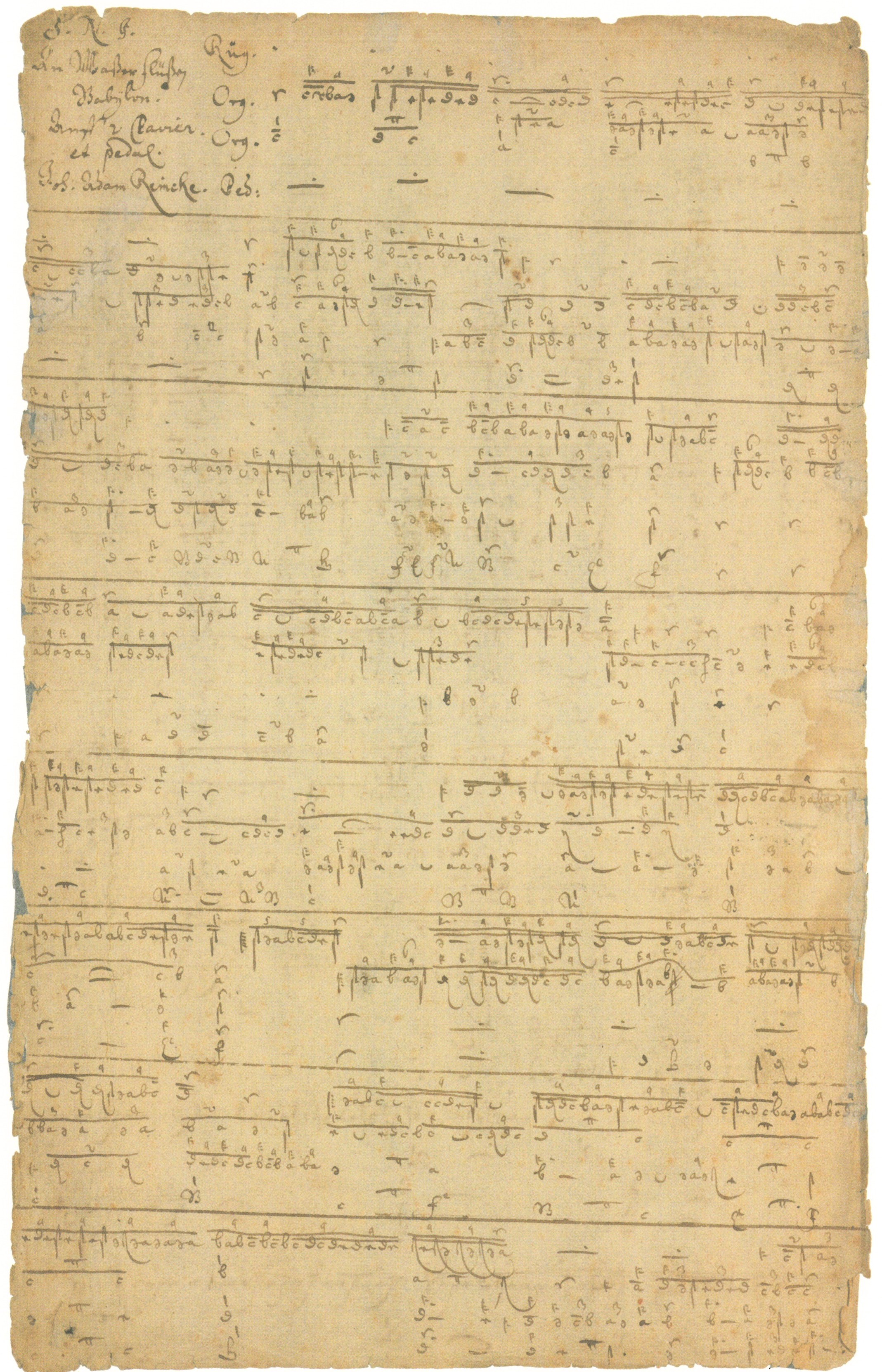
The Weimar organ tablature in the image below was discovered in 2005 in the Herzogin Anna Amalia Bibliothek in Weimar. It contains Johann Sebastian Bach's earliest music manuscripts.
on
Wir benötigen Ihre Zustimmung!
Wir benutzen Cookies, um unseren Datenverkehr zu analysieren. Ihre Zustimmung kann jederzeit unter Datenschutz widerrufen werden.